
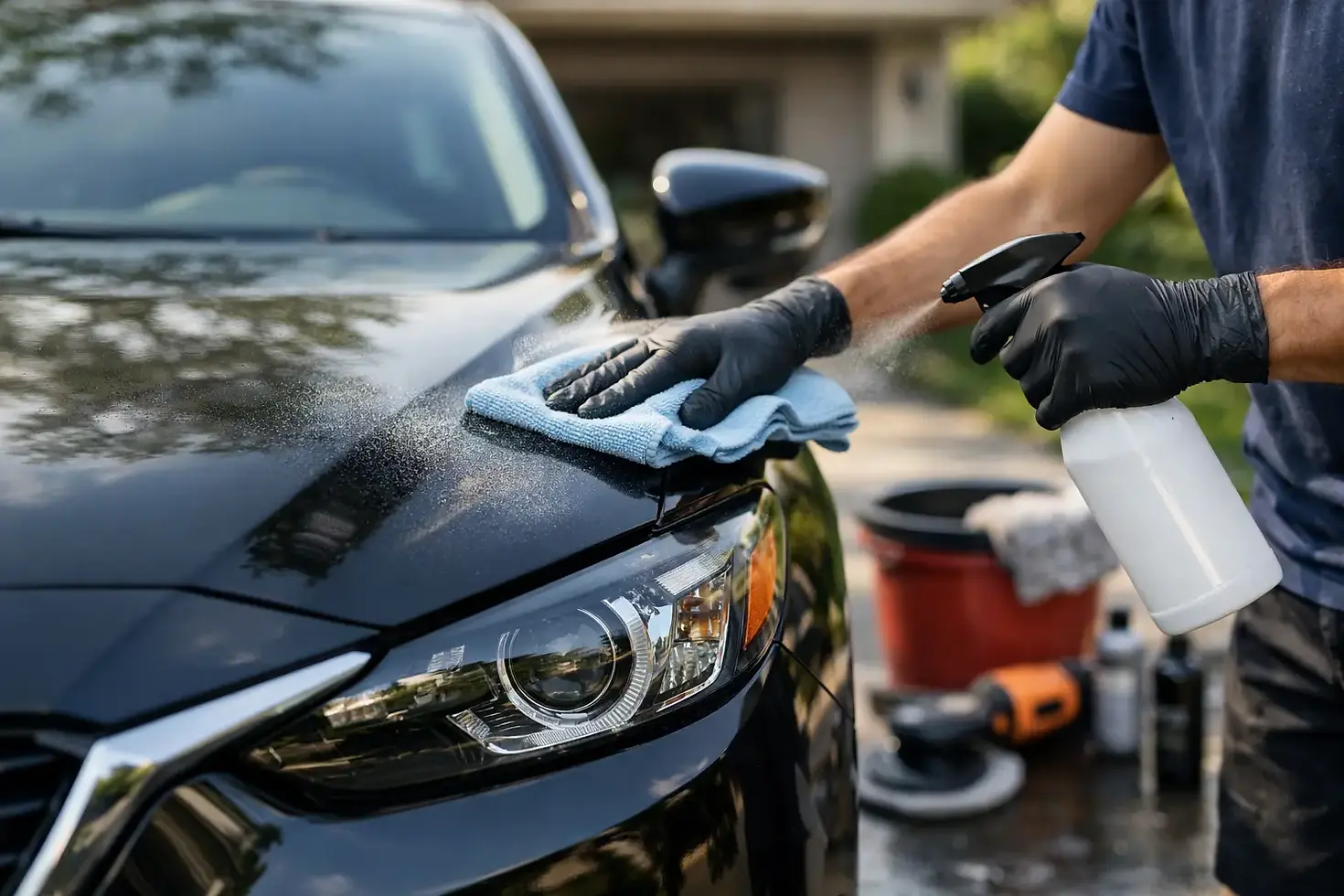
Car Detailing at Home Done the Right Way

Saturday morning, bucket in the driveway, vacuum dragged out of the garage - plenty of vehicle owners start car detailing at home with good intentions and still end up with streaks on the glass, missed grime in the trim, and paint that looks clean but feels rough. That usually comes down to two things: using the wrong process and expecting household products to do a professional job. If you want your vehicle to look better, last longer, and hold its value, the way you detail it matters just as much as the effort.
For many owners, home detailing is worth doing. It gives you more control over regular upkeep, helps keep the interior manageable, and can stretch the time between professional services. But there is a difference between maintenance cleaning and true correction, protection, or deep restoration. Knowing where that line is can save you time, money, and frustration.
What car detailing at home should actually accomplish
A proper at-home detail is not just about making a vehicle look shiny for a day or two. The real goal is to safely remove contamination, clean high-touch and high-traffic areas, and protect the surfaces that take daily abuse. Paint, plastics, carpet, leather, and glass all age faster when dirt, salt, UV exposure, moisture, and body oils are left sitting on them.
That matters even more if your vehicle is a daily driver, a family SUV, or a work commuter. Kids, pets, coffee spills, winter slush, road film, and parking outside all add up. If you stay ahead of the buildup, your vehicle is easier to maintain and generally costs less to bring back into shape later.
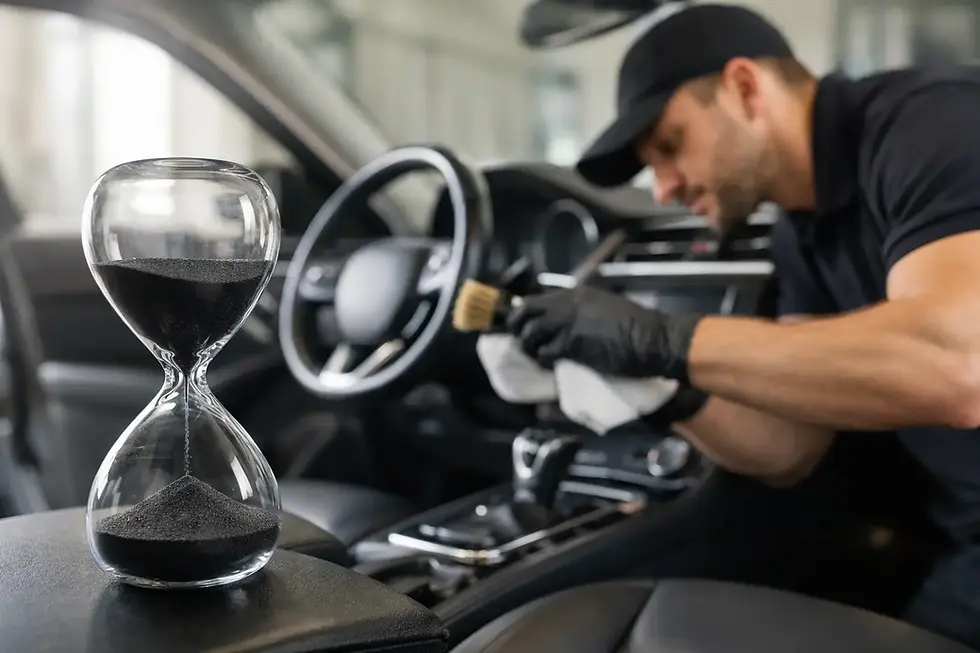
The trade-off is time. A quick wash might take 30 minutes. A real home detail, done carefully, can take several hours. That is why the smartest approach is to separate routine maintenance from the deeper jobs that require more equipment, more product knowledge, or a higher risk of damage.
Start with the exterior, but start safely
Most damage during car detailing at home happens on the paint. Not because people are careless, but because they use old sponges, dish soap, bath towels, or a single dirty bucket and end up rubbing grit across the surface. Those fine scratches may not stand out right away, but in direct sun they show up fast.
Use a soap made for vehicles, not for kitchen grease. Automotive shampoo is designed to lift dirt while being far gentler on waxes, sealants, and sensitive finishes. Work top to bottom because the lower sections of the vehicle usually hold the heaviest grime.
If you can, use a two-bucket method - one for clean soapy water and one for rinsing your wash mitt. It is a simple step, but it helps keep abrasive dirt out of your mitt and off your paint. Wheels should be cleaned separately with their own tools since brake dust and road grime are far harsher than what sits on the doors and hood.
Drying matters too. Letting water air dry often leaves mineral spotting, especially in warm weather. A clean microfiber drying towel is safer and more effective than an old cotton towel or chamois that has seen better days.
Why clean paint can still feel rough
A vehicle can look washed and still have bonded contamination stuck to the paint. Tree sap mist, industrial fallout, road film, and embedded grime are common examples. If the surface feels rough when you lightly glide your hand across it, washing alone did not finish the job.
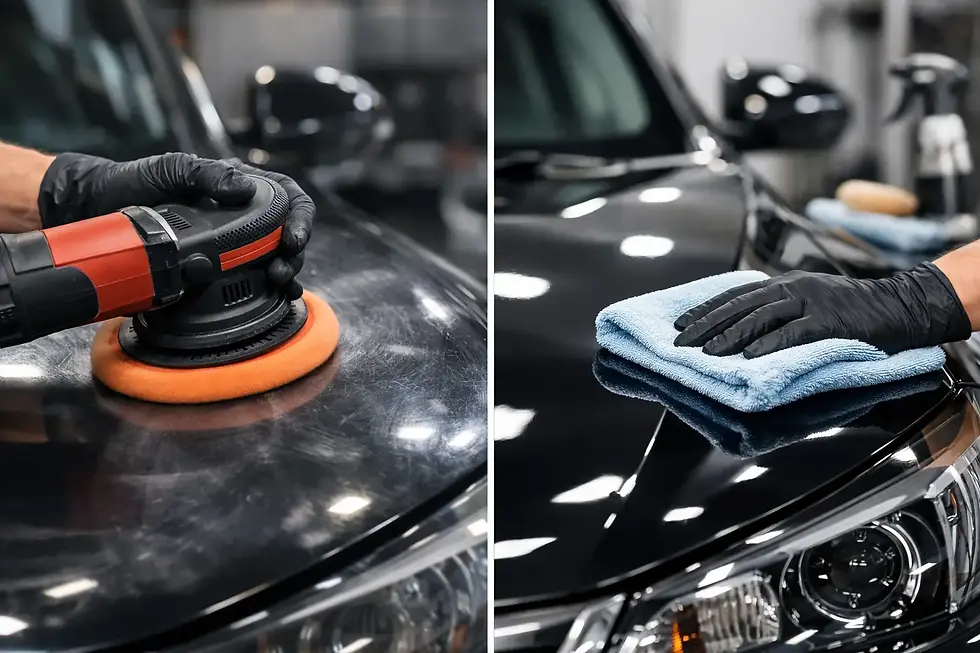
That is where clay treatment comes in. Used properly with lubrication, clay can remove embedded contaminants and leave the paint much smoother. It also sets the surface up for better protection. The caution here is simple: clay used incorrectly can mar the finish. If the vehicle is heavily contaminated, neglected, or dark-colored, this is one of those areas where a professional hand often makes a visible difference.
Protection is not optional if you care about value
Once the paint is clean, it needs protection. Otherwise, you are putting in the labor without doing much to slow down future wear. At a minimum, a quality spray sealant or wax gives the surface some defense against UV, water, and road grime.
If you want longer durability, ceramic-based products can offer stronger protection, but they are not all the same. Consumer-grade spray ceramics are easier to apply and are a good fit for home maintenance. Long-term ceramic coatings are a different category. Surface prep has to be right, and if the paint needs correction first, skipping that step locks flaws underneath the coating.
This is where expectations need to stay realistic. Protection helps preserve a finish. It does not fix oxidation, swirls, etching, or fading that is already there.
Interior detailing is where most owners see the biggest payoff
A clean interior changes how a vehicle feels every day. You notice it on the commute, on school drop-offs, and the moment someone opens the door. That is why interior work often gives the best return for the time spent.
Start by removing trash, floor mats, and loose items. Vacuum thoroughly, especially along seat rails, under pedals, between cushions, and in cargo corners where debris collects. Then move to surfaces in a practical order: dash, console, cupholders, door panels, and finally seats and carpet.
Use interior cleaners that match the surface. Harsh all-purpose products can leave trim blotchy, overly shiny, or dried out. Leather needs different care than cloth. Screens and piano black trim scratch easily. Steam can be effective in the right hands, especially for buildup in creases and around buttons, but too much moisture or heat in the wrong place can create problems.
Odor is another area where people waste time masking instead of solving. Air fresheners do not remove the source of odor. If the smell is coming from spills, pet accidents, damp carpet, smoke residue, or bacteria in the fabric, the material needs to be cleaned and dried properly. Sometimes that means shampooing, extraction, or targeted odor treatment rather than a simple wipe-down.
Pet hair, stains, and headlights are different jobs
Not every detailing issue responds to a basic home setup. Pet hair is a good example. It weaves into carpet and seat fabric and can be surprisingly stubborn. A regular vacuum may pick up the loose material, but embedded hair often needs specialized tools and patience.
Stains are similar. Some come out easily, while others wick back from deeper layers if they are not treated correctly. Overwetting seats and carpet can also create a mildew problem if they do not dry fully.
Then there are dull or yellow headlights. A quick store-bought fix may improve clarity for a short time, but if the lens is oxidized and unprotected, the problem usually returns. Restoration done properly includes correction and protection, not just a temporary shine.
Common mistakes that make home detailing harder
The biggest mistake is doing too much with too little time. Rushing leads to missed steps, cross-contamination, and results that do not last. Another common issue is using one towel for everything. Wheels, paint, door jambs, glass, and interiors should not all share the same microfiber.
Product overload is another trap. More soap does not mean a better wash. More dressing does not mean a cleaner interior. In fact, over-applied products often leave residue that attracts more dust and grime.
Weather also plays a role. Direct sun can dry soap and cleaners too quickly, leaving spots and streaks. Wind kicks up dust. Cold temperatures affect drying and product performance. Home detailing works best when conditions are on your side.
When it makes sense to call a pro
There is no shame in handling the maintenance yourself and bringing in professional help for the heavy lifting. That is often the smartest route. If the paint feels neglected, the interior has deep staining or odor issues, the headlights are faded, or the vehicle needs correction and long-term protection, professional detailing usually saves time and produces stronger results.
That is especially true for busy households, multi-vehicle families, and owners who simply do not want to spend their weekend chasing better results. Mobile service makes that even easier because the work gets done where you are. For vehicle owners who care about convenience and standards, that matters. Jon Boyzzz Mobile Auto Detailing is built around exactly that mindset - thorough work, premium care, and service that comes to you.
The best use of car detailing at home is regular upkeep between deeper services. Keep the vehicle washed safely, stay ahead of interior buildup, and protect what you can. Then, when the job calls for more than driveway tools and spare time, let the right hands take it the rest of the way.
Your vehicle takes daily wear whether you notice it or not. Treat it like the investment it is, and the results will show every time you walk up to it.

Comments