
Ceramic Coating vs Wax: Which Lasts Longer?

A lot of vehicle owners ask this after their paint starts losing that fresh, deep shine a few weeks after a wash: ceramic coating vs wax - which one actually protects better, and which one is worth your money? The honest answer is that both have a place, but they are built for very different expectations. If you want short-term gloss and a lower upfront cost, wax can still do the job. If you want stronger, longer-lasting protection with less upkeep, ceramic coating is usually the better fit.
The difference matters more than most people realize. Your vehicle sits through UV exposure, rain, road salt, bug splatter, bird droppings, and regular wash wear. Protection is not just about making paint look shiny. It is about helping your finish hold up over time and preserving the value of one of the biggest investments you own.
Ceramic coating vs wax: the basic difference
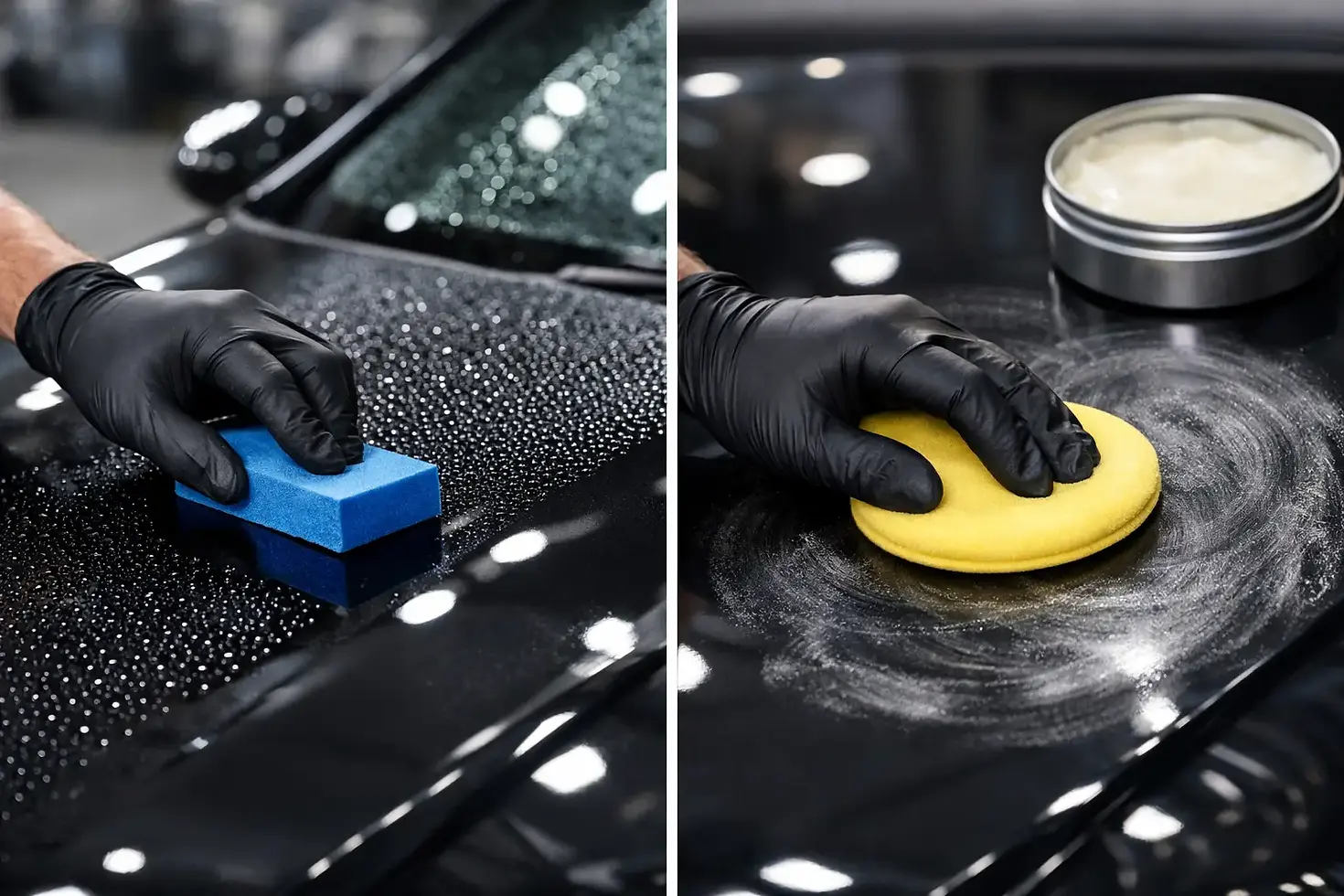
Wax is a traditional paint protectant that sits on the surface and gives the paint a warm gloss, some water beading, and a light barrier against the elements. It has been around for decades because it is simple, familiar, and relatively affordable. For many drivers, that is the first product they think of when they want to protect their paint.
Ceramic coating is a more advanced form of paint protection. It bonds to the vehicle’s clear coat and creates a more durable protective layer than wax. That does not make your paint invincible, and it does not mean you never need to wash your vehicle again. What it does mean is better resistance to contaminants, longer-lasting hydrophobic performance, and easier maintenance when the coating is properly installed and cared for.
That is the key point. Wax sits on top. Ceramic coating bonds more firmly. That single difference changes durability, upkeep, and long-term value.
How wax performs in the real world
Wax still has some strengths, and it should not be written off as outdated. A quality wax can improve gloss quickly and make paint feel smoother to the touch. On a vehicle that is garage-kept, driven lightly, and maintained often, wax can be a perfectly reasonable option.
The issue is lifespan. In real driving conditions, wax usually wears off much faster than people expect. Heat, rain, detergents, road grime, and sun exposure all break it down. If your vehicle is parked outside, used for commuting, or driven through rough seasonal conditions, wax may only give you a relatively short window of noticeable protection.
That means more reapplication and more maintenance. If you enjoy regularly detailing your own vehicle, that may not bother you. But if you are busy, managing a household, running between work and errands, or trying to keep multiple vehicles looking good, wax often becomes one more thing that falls off the schedule.
Where ceramic coating pulls ahead
Ceramic coating is popular for a reason. It is designed for people who want a more serious level of protection and less day-to-day hassle. Once applied to properly corrected and prepared paint, it helps shield the surface from contamination and makes cleaning easier because dirt and water do not cling as stubbornly.
The biggest advantage is durability. Instead of protecting your vehicle for a short cycle and then fading out, ceramic coating is meant to hold up far longer. That longer service life changes the cost equation. While the upfront price is higher, many owners find the value makes more sense over time because they are not constantly redoing protection.
Appearance is another factor. Wax can deliver a rich glow, especially on darker paint, but ceramic coating tends to produce a cleaner, sharper, glassier look. A lot depends on the condition of the paint before the protection goes on. If the surface is swirled, oxidized, or contaminated, no wax or coating will magically fix that. Prep work matters.
Ceramic coating vs wax on durability, shine, and maintenance
If you compare ceramic coating vs wax side by side, durability is where the gap gets obvious. Wax is the shorter-term option. Ceramic coating is the longer-term option. That alone makes ceramic more appealing for daily drivers, family vehicles, work trucks, and higher-value cars where owners want real protection instead of a temporary cosmetic boost.
On shine, both can improve appearance, but the look is a little different. Wax often gives paint a softer, warmer finish. Ceramic coating usually gives it a crisper, more reflective finish. Neither is automatically better in every case. Some owners prefer the classic look of wax. Others want the slick, high-definition look a coating can provide.
On maintenance, ceramic coating has the advantage for most people. Washing is easier because grime releases more easily from a protected surface. That does not mean a coated vehicle stays clean forever or can be neglected. It simply means regular upkeep is less of a fight. If convenience matters to you, that is a big deal.
What ceramic coating does not do
This is where good service matters. Ceramic coating is excellent protection, but it gets oversold all the time. It is not bulletproof. It does not stop rock chips. It does not prevent all scratches. It does not replace proper washing methods. And it does not hide paint defects.
If someone treats a coating like permanent armor, they are going to be disappointed. A coating is best understood as a durable protective system that improves resistance and makes maintenance easier. It reduces risk and slows down wear. It does not eliminate either one.
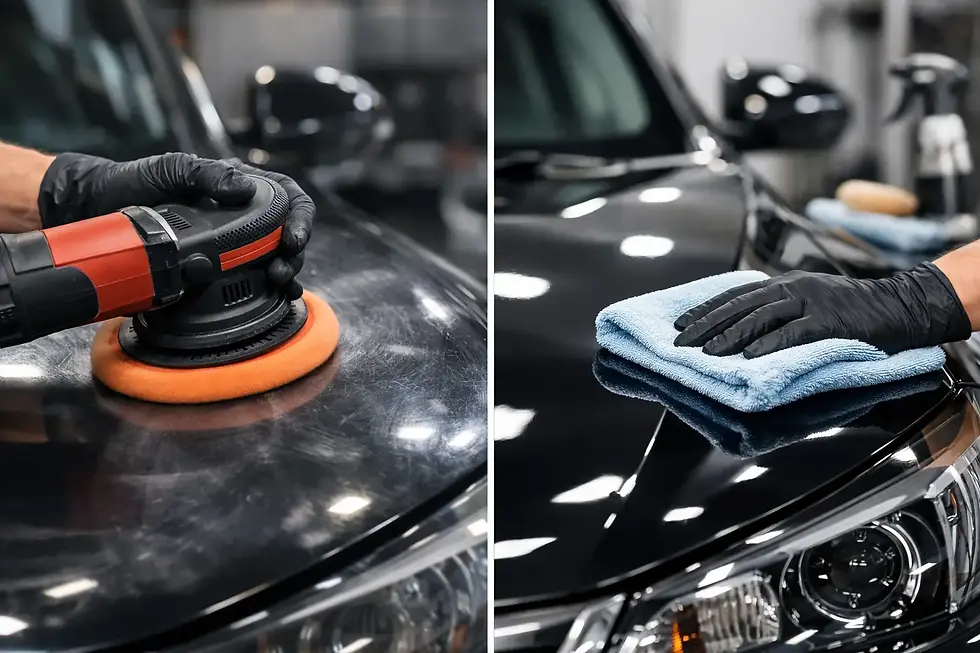
That is why application quality matters so much. The paint should be cleaned, decontaminated, and often corrected before the coating goes on. If the prep is rushed, the final result suffers. Protection products are only as good as the surface underneath them and the workmanship behind the install.
When wax still makes sense
Wax is still a reasonable choice if your goals are simple. Maybe you are preparing a vehicle for sale, freshening up a weekend car, or looking for a lower-cost way to improve gloss. Maybe you enjoy regular detailing and do not mind reapplying protection more often. In those cases, wax can absolutely make sense.
It can also work well for owners who are not ready to invest in long-term protection yet. Not every vehicle needs the same level of service. An older car with tired paint may benefit more from a thorough cleaning and basic protection than from a premium coating package. It depends on the condition of the vehicle, how long you plan to keep it, and how much upkeep you are willing to do.
The wrong move is choosing wax while expecting ceramic-level results. That is where frustration starts.
When ceramic coating is worth the investment
Ceramic coating is usually the better fit if you want to protect a newer vehicle, preserve resale value, reduce upkeep, or maintain a cleaner finish through daily use. It is especially useful for vehicles exposed to strong sun, messy weather, road film, salt, and regular commuting.
It also makes sense for busy owners who do not want to keep chasing short-term shine. If your schedule is packed, a longer-term solution is often more practical than repeating the same protection process every few weeks or months. That is one reason mobile detailing customers often lean toward coatings. Convenience matters, but so does getting lasting value from the service.
For many Niagara drivers dealing with mixed seasons and hard-working vehicles, long-term protection is not a luxury add-on. It is preventive care. A properly installed coating helps your vehicle stay easier to clean and better looking through the kind of use real families and commuters put it through.
The better question is not just price
A lot of people frame this as a simple cost comparison, but the better question is what kind of owner you are. If you want the lowest upfront price and are comfortable maintaining protection yourself, wax may be enough. If you want stronger performance, less frequent reapplication, and a better long-term approach to paint care, ceramic coating is the smarter investment.
That is how we look at it in professional detailing. The goal is not to push the most expensive option. The goal is to match the service to the vehicle, the owner, and the level of protection that actually makes sense. Sometimes wax is fine. Often, coating is the better answer.
If you care about how your vehicle looks, how easily it cleans up, and how well it holds its finish over time, protection should be chosen with the same care as the rest of the detail. A good shine is nice. Lasting protection is better. And when the right product is paired with proper prep and skilled application, you see the difference every time the light hits the paint.

Comments