
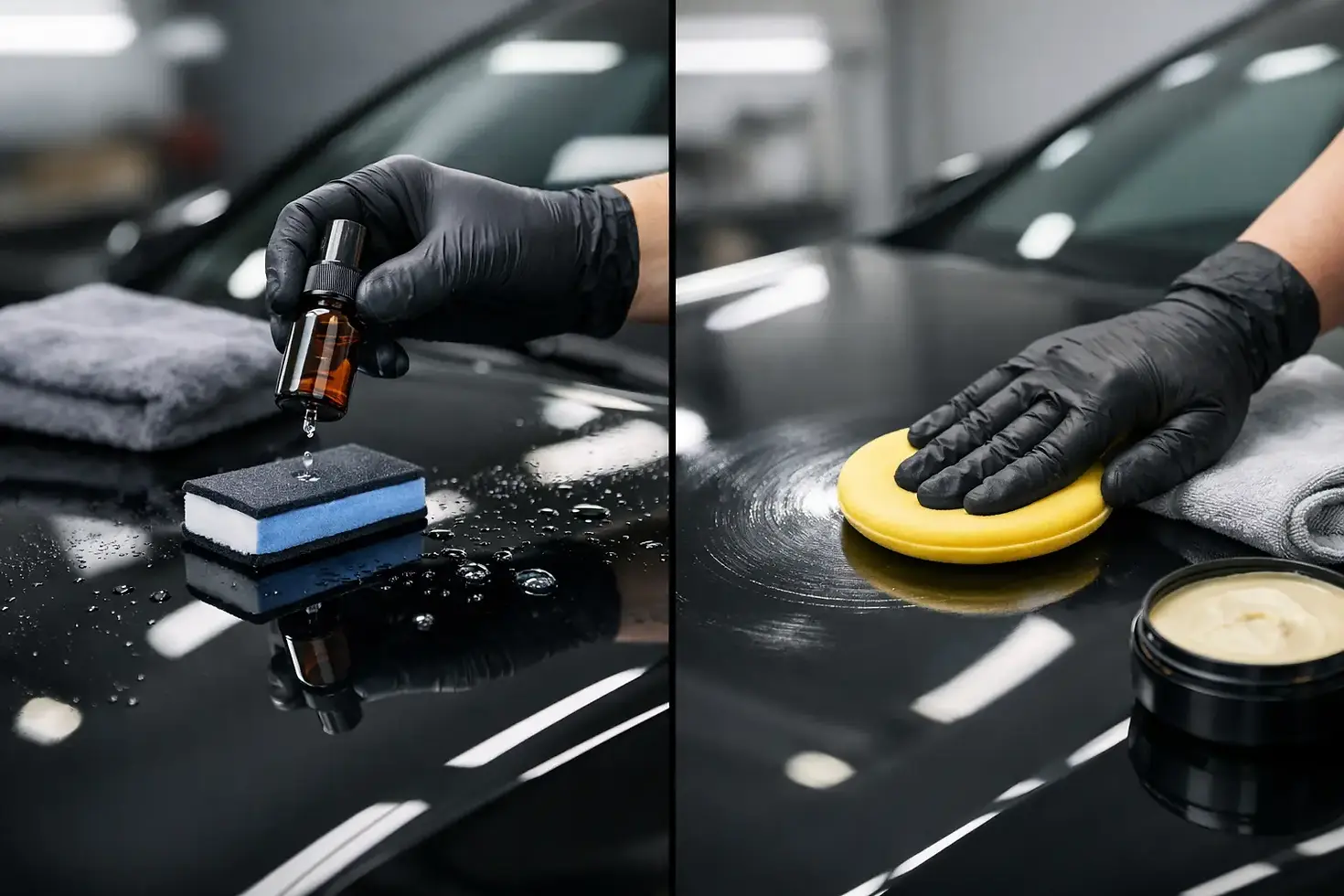
Ceramic Sealant vs Wax: What Should You Use?

You wash the car, step back, and it looks great for about a week. Then the gloss starts fading, water stops beading the way it did, and the paint is right back to dealing with road grime, sun, and weather. That is usually when the ceramic sealant vs wax question comes up. Both can improve gloss and add protection, but they are not the same product, and they do not make sense for the same owner.
If you care about keeping your vehicle looking sharp without wasting time or money, the right choice depends on how you drive, how often you maintain the paint, and what kind of results you expect. Some people want the warm shine and easy feel of wax. Others want longer-lasting protection and less upkeep. Neither option is automatically right for everyone.
Ceramic sealant vs wax: the real difference
Wax is the traditional option. It sits on top of the paint and adds a layer of gloss, slickness, and short-term protection. Carnauba wax is the classic example, though many modern waxes are blended with synthetic ingredients. It can make paint look rich and deep, especially on darker colors, but it wears down faster from rain, washing, heat, and everyday driving.
Ceramic sealant is a synthetic paint protectant designed to last longer and hold up better against the elements. It does not replace a professional long-term ceramic coating, but it does offer stronger durability than standard wax. A good ceramic sealant gives you better water behavior, better resistance to contamination, and a more durable layer between your paint and the road.
The easiest way to think about it is this: wax is more traditional and shorter-term, while ceramic sealant is more modern and maintenance-friendly.
How wax performs on a daily driver
Wax still has a place. If your vehicle is garaged, driven lightly, and you enjoy regular upkeep, wax can work well. It goes on fairly easily, gives paint a nice glow, and can be reapplied as part of a routine. For enthusiasts who like hands-on maintenance, that can be part of the appeal.
The trade-off is durability. In real-world conditions, wax usually does not last very long. Frequent washing, strong sun, road salt, and harsh weather wear it down. If you live where vehicles see changing seasons, wet roads, and regular contamination, wax often becomes a repeat job.
That does not mean it is a bad choice. It just means you need to be honest about expectations. If you want protection that carries you much further between applications, wax usually falls short.
How ceramic sealant performs on a daily driver
Ceramic sealant is built for people who use their vehicles the way most people actually do. Commutes, errands, family hauling, highway driving, parking outside, and weather exposure all put stress on the paint. A ceramic sealant is better suited to that kind of use because it stays effective longer and helps the surface stay easier to clean.
One of the biggest benefits is water behavior. When water beads and sheds more effectively, dirt and grime have a harder time sticking. That does not mean the car stays clean forever, but it usually means washing is easier and the finish keeps that freshly detailed look longer.
It also tends to offer a more consistent level of protection over time. Instead of fading quickly after a few washes, ceramic sealant generally holds up better through repeated maintenance. For busy owners, that matters. Less frequent reapplication means less downtime and less chasing the same result every month.
Which one gives a better shine?
This part is more subjective than people think. Some drivers prefer the softer, warmer glow of wax. Others like the sharper, glassier finish that ceramic sealants often produce. Both can make paint look excellent when the surface underneath is properly cleaned and prepped.
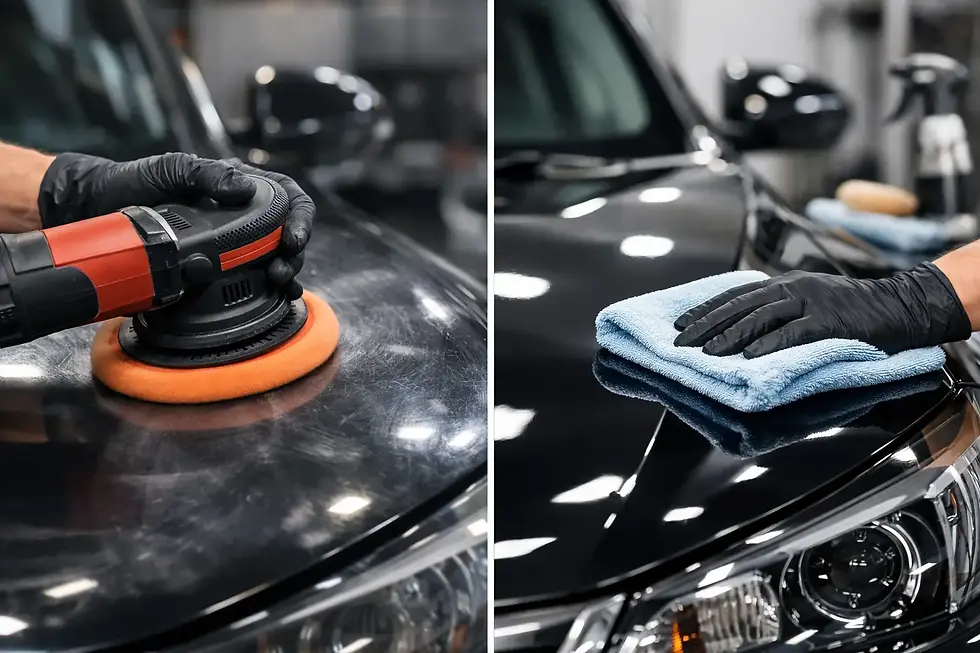
That last point matters more than the product itself. If the paint has embedded contamination, oxidation, or swirl marks, neither wax nor ceramic sealant will fully hide that. Protection works best when the surface is decontaminated and corrected as needed before anything is applied.
So if you are choosing based on shine alone, the honest answer is that both can look great. The difference is usually not whether the vehicle shines. The difference is how long that finish keeps looking protected and how much work it takes to maintain.
Ceramic sealant vs wax for longevity
This is where the gap gets wider.
Wax is generally a short-term protectant. Depending on the product, weather, and wash habits, it may hold up for weeks or a couple of months at best. On a vehicle that lives outside and gets driven often, it can drop off quickly.
Ceramic sealant usually lasts much longer. Exact lifespan depends on the product and conditions, but it is designed to outperform wax in durability. For owners trying to protect paint through changing weather and routine use, that extra staying power is often the deciding factor.
If your goal is to reduce how often your vehicle needs protection reapplied, ceramic sealant makes more sense.
Which option is easier to maintain?
Ceramic sealant usually wins here too. Because the surface stays slicker and sheds water better, washing tends to be more straightforward. Dirt, road film, and light contamination often release more easily than they do from an unprotected or wax-only surface.
Wax can still make the vehicle feel smooth and protected, but it degrades faster. Once it starts wearing off, maintenance becomes less efficient. You may notice water sitting flatter on the paint, grime building faster, and the finish losing that just-detailed look.
For people with packed schedules, maintenance matters just as much as appearance. A product that saves effort after the detail is often the better value, even if the upfront price is higher.
Cost matters, but so does value
Wax is usually cheaper in the short term. That is one reason it remains popular. If you just want a quick gloss boost and basic protection, it can be a reasonable option.
Ceramic sealant generally costs more, but it often gives better value over time because it lasts longer and performs better between services. When you look beyond the initial price and consider how often you need to reapply protection, the math changes.
This is especially true for daily drivers, family vehicles, work trucks, and multi-vehicle households. Repeating a lower-cost service more often can end up costing more time and money than choosing a more durable option from the start.
When wax still makes sense
Wax is still a fair choice in a few situations. If you enjoy frequent detailing, keep the vehicle mostly indoors, and like that classic wax finish, there is nothing wrong with using it. It can also make sense for someone preparing a vehicle for a short-term event or a quick appearance boost.
It is also a reasonable option for owners who are not ready to spend more on longer-lasting protection. Not every vehicle needs the same level of treatment, and not every owner wants the same maintenance plan.
The key is knowing what you are getting. Wax is not built for long-term defense. It is built for shorter-term gloss and basic protection.
When ceramic sealant is the better move
For most modern drivers, ceramic sealant is the more practical option. If your vehicle sits outside, sees regular road miles, or you want protection that lasts longer without constant reapplication, ceramic sealant is usually the stronger fit.
It is also the better choice for owners who view their vehicle as an investment. Paint condition affects how a car looks today and how it presents later for trade-in or resale. Protecting that finish with a more durable product helps preserve the vehicle's appearance over time.
For customers who want premium results without turning maintenance into a hobby, this is often where professional service makes the difference. Proper prep, proper application, and realistic advice matter more than hype.
So what should you choose?
If you want lower upfront cost, enjoy regular upkeep, and do not mind shorter protection, wax can do the job. If you want better durability, easier maintenance, and stronger all-around protection for a daily driver, ceramic sealant is usually the smarter choice.
For most busy vehicle owners, ceramic sealant hits the sweet spot. It offers more staying power than wax without requiring the larger jump into a long-term coating. That makes it a strong middle ground for people who want their vehicle to keep looking cared for between washes, seasons, and regular road use.
At Jon Boyzzz Mobile Auto Detailing, that is the kind of decision we help customers make every day - based on how the vehicle is actually used, not just what sounds good on paper. The best protection is the one that fits your habits, your environment, and the level of upkeep you are realistically going to maintain.
Your vehicle does a lot for you. Giving the paint the right protection is one of the simplest ways to keep it looking like it still matters.

Comments