

Complete Guide to Ceramic Coatings

Your vehicle can look freshly detailed on Saturday and already start losing that crisp, slick finish by midweek. Sun, road grime, bird droppings, salt, and hard water do not take days off. That is exactly why a complete guide to ceramic coatings matters for drivers who want more than a temporary shine.
Ceramic coatings are one of the most talked-about paint protection services in detailing, but they are also one of the most misunderstood. Some people expect a coating to make their vehicle bulletproof. Others assume it is just an overpriced wax. The truth sits in the middle. A quality ceramic coating is a serious upgrade in protection and ease of maintenance, but it still works best when the paint is properly prepared and the vehicle is cared for the right way.
What ceramic coatings actually do
A ceramic coating is a liquid-applied protective layer that bonds to the vehicle's exterior surfaces. Once cured, it creates a durable barrier that helps resist contaminants, UV exposure, water spotting, and general environmental fallout. It also increases gloss and makes the surface much easier to clean.
That last part is where many owners see the biggest day-to-day difference. Dirt, water, and grime have a harder time sticking to coated paint. You still need to wash the vehicle, but the cleanup is faster and safer because contamination releases more easily.
A good coating is not the same as wax or a basic sealant. Wax sits on the surface and wears away relatively quickly. A ceramic coating is designed to last much longer and hold up better against weather, washing, and seasonal abuse. For drivers dealing with rain, road film, and winter conditions, that extra durability matters.
Complete guide to ceramic coatings: what they do not do
This is where expectations need to stay realistic. Ceramic coatings do not make paint scratch-proof. They do not stop rock chips. They do not replace proper washing. And they do not fix damaged paint on their own.
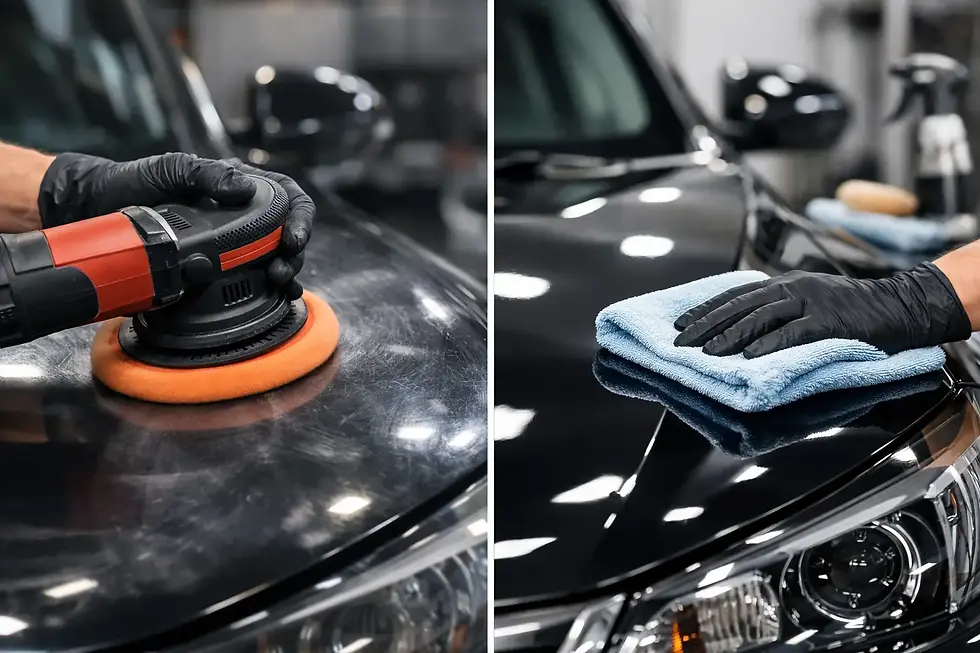
If the paint already has swirls, oxidation, water spot etching, or haze, those issues usually need correction before the coating goes on. A coating locks in the condition of the surface underneath it. If the paint looks great before installation, the result looks great. If the paint is neglected, the coating will protect neglected paint.
This is also why prep work is such a big part of the value. The coating gets attention, but the wash, decontamination, clay treatment, polishing, and panel prep are what make the final result worth paying for.
Why prep work matters more than most people think
When customers ask how long a coating lasts, the honest answer is that product quality matters, but prep matters just as much. A vehicle has to be properly cleaned and stripped of old waxes, oils, and embedded contamination before the coating is applied. Otherwise, bonding is compromised from the start.
Paint correction is often the step that separates average results from premium ones. Even a one-step polish can improve gloss, remove light defects, and create a cleaner surface for the coating to bond to. On darker vehicles especially, this can make a major difference in clarity and reflection.
That is one reason professional application carries real value. It is not just about putting a bottle on paint. It is about knowing when the surface is truly ready.
How long ceramic coatings last
Longevity depends on the type of coating, how the vehicle is stored, how often it is driven, and how it is maintained afterward. Some entry-level ceramic sealants offer months of protection. Professional-grade long-term coatings can last for years.
The key is to read past the marketing. A coating may be rated for multiple years under ideal conditions, but real-world results depend on usage. A daily driver parked outdoors year-round will not age the same way as a weekend vehicle kept in a garage. The coating can still perform well, but it will need proper maintenance washes and occasional top-ups to keep performing at its best.
If you want the longest service life, think in terms of maintenance, not just installation. Protection is not a one-and-done mindset.
What surfaces can be coated
Most people think only about paint, but ceramic coatings can often be applied to more than that. Depending on the product and service package, coatings may be used on painted panels, glass, wheels, trim, and sometimes interior surfaces.
Wheels are a smart add-on because they take heavy abuse from brake dust and road grime. Glass coatings can improve water behavior in wet weather. Trim coatings can help reduce fading and keep exterior plastics looking more finished.
Not every vehicle needs every surface coated. It depends on how the vehicle is used and what kind of problems the owner wants to solve. A commuter dealing with highway miles may care most about paint and glass. A family SUV might benefit from wheels and trim protection as well.
Who should get a ceramic coating
A coating makes sense for people who want to protect the look and value of their vehicle over time. If you just bought a new vehicle, it is one of the best times to do it. The paint is usually in better condition, so less correction may be needed before protection goes on.
It also makes sense for owners who are tired of seeing their vehicle lose shine after every storm or wash. If you want easier maintenance, stronger gloss, and better resistance to daily wear from the environment, a coating is a practical investment.
On the other hand, if the vehicle is near the end of its life, has severe paint failure, or is rarely washed, the value equation changes. In those cases, a simpler protection package may make more sense than a long-term coating.
Cost, value, and what you are really paying for
Ceramic coating pricing can vary widely, and that is because the service itself varies widely. Some lower-cost offers are little more than a quick wash and a short-term product. A proper professional service usually includes extensive prep, paint evaluation, controlled application, and curing guidance.
What you are paying for is not just the bottle. You are paying for labor, surface correction, product knowledge, installation technique, and durability. Done right, the coating helps preserve appearance, reduce maintenance effort, and support resale value by keeping the vehicle in better condition.
For many owners, especially those with newer vehicles, trucks, SUVs, or multi-vehicle households, that value is easy to justify. Vehicles are expensive. Protecting them should be treated with the same seriousness as routine mechanical maintenance.
Complete guide to ceramic coatings for daily drivers
For a daily driver, the biggest benefit is usually not bragging rights. It is time savings and consistent appearance. A coated vehicle tends to wash up faster, dry easier, and stay looking cleaner between services.
That matters when life is busy. If your vehicle is carrying kids, groceries, work gear, or doing the daily commute, convenience matters just as much as shine. A coating helps keep the outside easier to manage, especially when combined with regular maintenance detailing.
For drivers in places with changing seasons, road salt, and frequent rain, the added barrier is even more useful. It will not stop winter from being winter, but it can make seasonal cleanup and protection much easier.
How to care for a coated vehicle
After installation, maintenance still matters. You want gentle hand washing, quality wash products, and safe drying methods. Automatic brush washes are still a bad idea because they can mar the finish and wear down the surface over time.
It also helps to remove bird droppings, bug splatter, and hard water minerals as soon as possible. A coating gives you more resistance, not unlimited time. If contamination sits too long, it can still cause damage.
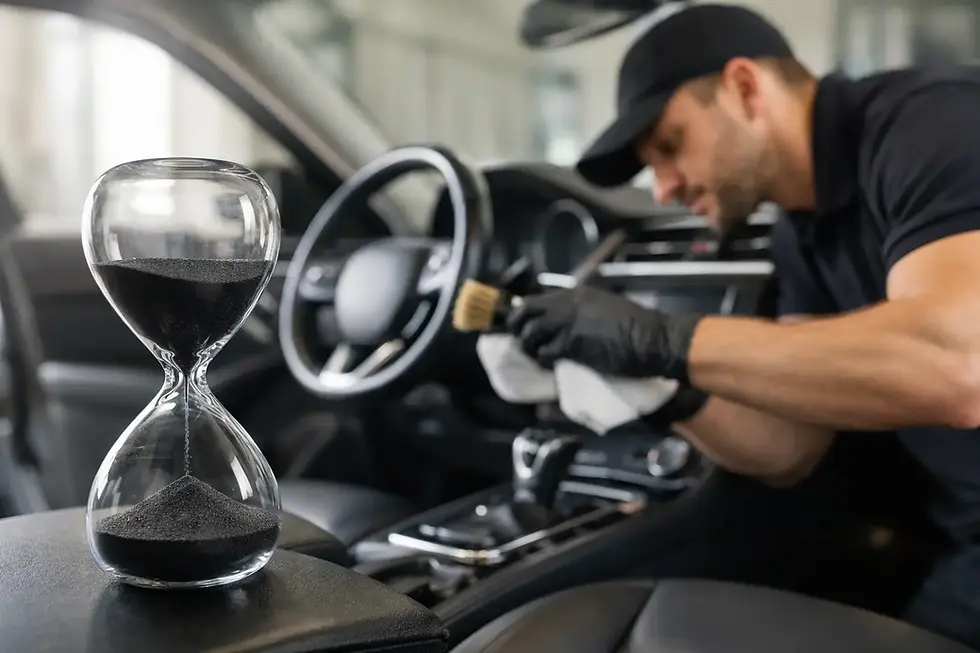
Periodic maintenance services are a smart move if you want the coating to keep performing properly. A professional can safely wash the vehicle, inspect the finish, and apply any recommended maintenance topper if needed. That kind of upkeep protects the original investment.
DIY or professional application?
There are consumer ceramic products on the market, and some are decent for short-term protection. If you enjoy detailing and understand surface prep, a DIY option can be worthwhile. But the gap between a weekend application and a professionally installed coating is usually in the prep, correction, and consistency.
Professional service is especially worth considering if the vehicle has darker paint, visible swirl marks, sensitive finishes, or if you simply want it done right the first time. For busy vehicle owners, having a trained mobile detailer come to you adds another layer of value. Jon Boyzzz Mobile Auto Detailing is built around that exact idea - protecting your investment without sending you across town to sit in a waiting room.
Ceramic coatings are not magic, but they are one of the best tools available for keeping a vehicle looking sharper, longer, and with less effort. If you want protection that works in the real world, start by looking at the condition of your paint, how you use the vehicle, and whether you are ready to maintain it properly after the service. The best coating choice is the one that fits your vehicle, your routine, and how much pride you take every time you pull into the driveway.

Comments