
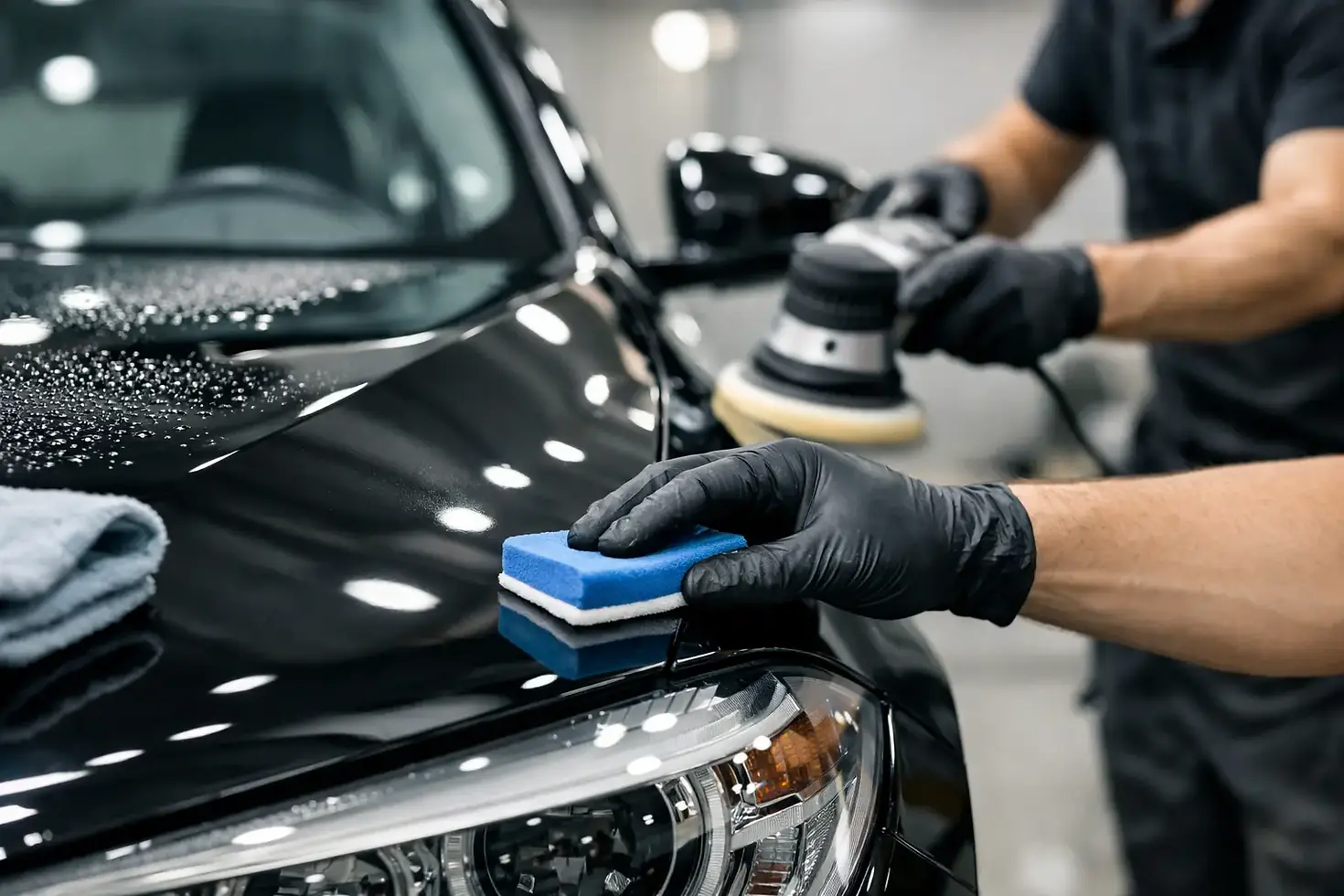
How to Protect Car Paint That Lasts

That dull, chalky look on a vehicle does not happen overnight. It usually starts with small things people barely notice at first - hard water spots after a quick rinse, fine swirl marks from rushed washing, bird droppings left baking in the sun, and road grime that keeps building week after week. If you are wondering how to protect car paint, the real answer is not one miracle product. It is a system of good washing habits, the right protection, and staying ahead of damage before it sets in.
For most vehicle owners, paint protection comes down to two goals. First, you want the vehicle to keep looking clean, glossy, and well cared for. Second, you want to protect the value of a major investment. Whether you drive daily through construction dust, winter salt, highway debris, or just park outside all day, your paint takes more abuse than most people realize.
Why car paint fails faster than people expect
Modern paint systems are durable, but they are not invincible. Your vehicle has a clear coat over the colored paint, and that clear coat is what gives the surface gloss and protection. Once that layer starts getting scratched, oxidized, or chemically stained, the finish loses depth and becomes harder to maintain.
Sun exposure is a major factor, especially for vehicles parked outdoors year-round. UV rays slowly break down the surface, leading to fading and oxidation. Road salt, bug splatter, bird droppings, tree sap, and industrial fallout are just as hard on paint because they can etch into the clear coat if they sit too long.
Then there is washing damage, which is one of the most common problems. A lot of paint defects are not caused by the road. They are caused in the driveway or at low-quality car washes. Dirty mitts, reused towels, stiff brushes, and automatic tunnel washes can leave the surface full of fine scratches.
How to protect car paint with the right wash routine
If you only change one thing, change how the vehicle gets washed. A proper wash routine removes contamination without grinding it into the surface. That matters more than most wax labels or marketing claims.
Start with a rinse that knocks off loose dirt before any contact is made. Then wash with a pH-balanced car shampoo and clean wash media designed for automotive finishes. The goal is simple - lift dirt away from the paint instead of dragging it across the clear coat.
Drying matters too. Letting water air dry often leaves behind mineral spots, especially if your local water is hard. Using clean microfiber drying towels or forced air helps prevent spotting and reduces the temptation to wipe a dusty panel later.
Frequency depends on how the vehicle is used. A garage-kept weekend vehicle needs a different schedule than a daily driver that sees highway miles, pollen, and winter grime. For many owners, washing every couple of weeks is a solid baseline. In harsher conditions, weekly maintenance makes a noticeable difference.
The biggest paint protection mistakes
People often damage paint while trying to take care of it. That is the frustrating part. The wrong process can create more correction work than neglect alone.
Automatic brush washes are a common example. They are fast, but those brushes often carry grit from every vehicle before yours. The result is usually swirl marks and a finish that looks tired in direct sunlight.
Using household cleaners is another mistake. Dish soap, degreasers, and other non-automotive products can strip protection and dry out trim. They may make the vehicle look clean for the moment, but they are not built for long-term paint care.
Waiting too long to remove contaminants also causes trouble. Bird droppings, bug remains, and sap are not just ugly. They are acidic or sticky enough to bond to the surface and stain if left alone. Quick removal is one of the easiest ways to avoid permanent marks.
Wax, sealant, or coating - what actually works?
This is where a lot of people get overwhelmed. There are several ways to protect paint, and each has its place. The right choice depends on expectations, budget, and how much maintenance you are realistically going to keep up with.
Car wax
Wax is the traditional option. It can improve gloss and add a sacrificial layer between the paint and the elements. It is usually the most affordable route, but it does not last as long as newer forms of protection. For someone who enjoys frequent hands-on maintenance, wax can still make sense. For a busy household with little spare time, it may not be enough.
Paint sealant
A synthetic sealant generally lasts longer than wax and offers more durable protection against water, dirt, and environmental fallout. It is a practical middle ground for drivers who want solid defense without jumping straight to a long-term coating. A clay and seal service is often a smart step for paint that feels rough or has lost that slick, protected finish.
Ceramic protection
Ceramic sealants and professional ceramic coatings are the stronger long-term option. They create a more durable protective layer that helps with UV resistance, chemical resistance, water behavior, and easier maintenance washing. That does not mean the vehicle becomes scratch-proof or maintenance-free. It means the paint is better defended and easier to keep looking right.
This is where expectations matter. A spray ceramic product and a professionally installed long-term coating are not the same thing. The price difference reflects prep work, product quality, and durability. If the paint is already swirled or contaminated, correction and decontamination should happen first. Otherwise, you are just sealing defects underneath protection.
Prep work matters more than the product label
One of the biggest truths in paint protection is that prep decides the outcome. You can apply a premium sealant or coating to a poorly cleaned surface and get poor results. Or you can prep properly and get far better performance from a more modest product.
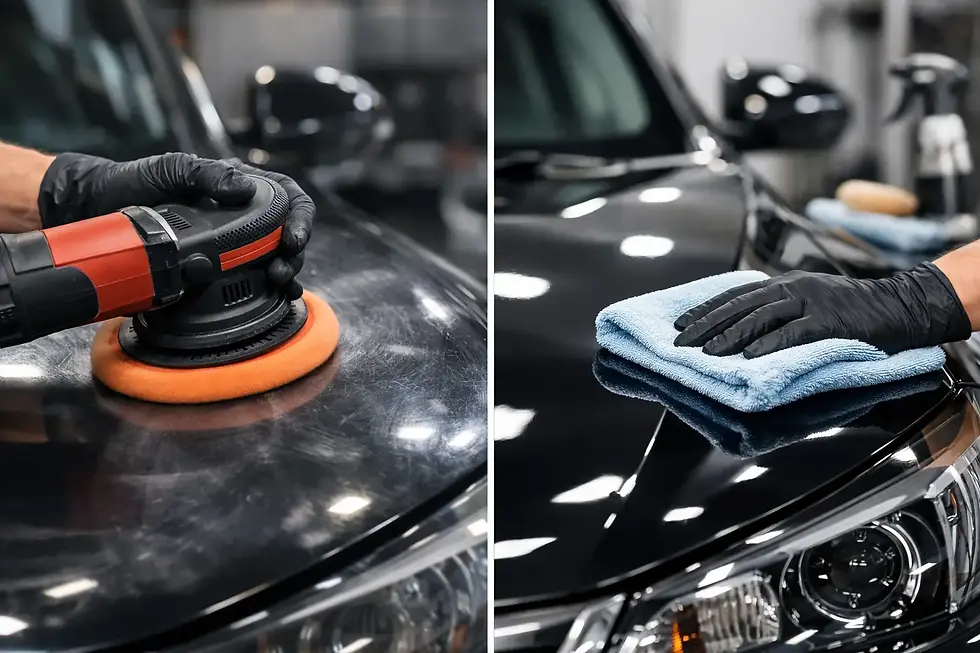
Good prep usually includes a thorough wash, chemical decontamination if needed, clay treatment to remove bonded contaminants, and paint correction when defects are present. That last step is what restores gloss and clarity by leveling out light imperfections in the clear coat.
If the paint feels rough to the touch, looks hazy in sunlight, or does not bead water anymore, it may already be overdue for this kind of reset. Protection works best when it starts on a clean, smooth surface.
Environmental factors that change the plan
Not every vehicle needs the same protection strategy. It depends on where it is parked, how often it is driven, and what it is exposed to.
A commuter vehicle that lives outside and sees long highway drives will usually benefit from more durable protection than a lightly used garage-kept car. A family SUV dealing with tree sap, school pickup lines, road salt, and constant touch points needs routine upkeep more than occasional deep cleaning. Fleet vehicles need consistency because appearance affects brand image and regular use wears them down fast.
Climate also changes the conversation. In regions with wet seasons, road grime, temperature swings, and winter chemicals, protection is not just about shine. It is about keeping contamination from bonding to the surface and making maintenance easier all year.
How to keep protected paint looking better for longer
Once protection is in place, maintenance becomes simpler, but it still matters. The biggest advantage of a well-protected vehicle is that dirt releases more easily and washing can be done with less effort and less risk.
Use dedicated wash products, clean microfiber towels, and proper drying methods. Avoid wiping dusty paint dry because that is a fast way to create fine scratches. Top up protection when needed if you are using waxes or short-term sealants. If the vehicle has a ceramic product on it, follow the care guidance that matches that system instead of using random shelf products that may interfere with performance.
It also helps to react quickly to messes. Bird droppings, bug residue, fuel drips, and tree sap should be removed as soon as practical. Fast action often means the difference between a simple cleanup and a permanent blemish.
When professional paint protection makes sense
There is nothing wrong with maintaining your own vehicle if you have the time, tools, and patience to do it correctly. But many owners do not. They want the vehicle protected, they want it done right, and they do not want to spend a Saturday chasing water spots or trying to polish out avoidable damage.
Professional detailing makes the most sense when the paint already needs correction, when a longer-term protective product is being installed, or when convenience is a priority. Mobile service is especially useful for busy professionals, families, and multi-vehicle households because the work gets done where the vehicle already is. That is a big reason customers choose Jon Boyzzz Mobile Auto Detailing - strong protection, high standards, and no need to lose time driving to a shop.
If you want paint protection that actually lasts, think beyond shine. Clean the surface properly, protect it with the right product for your situation, and keep up with the basics. Good paint does not stay that way by accident. It stays that way because someone took care of the details before the damage had a chance to settle in.

Comments