
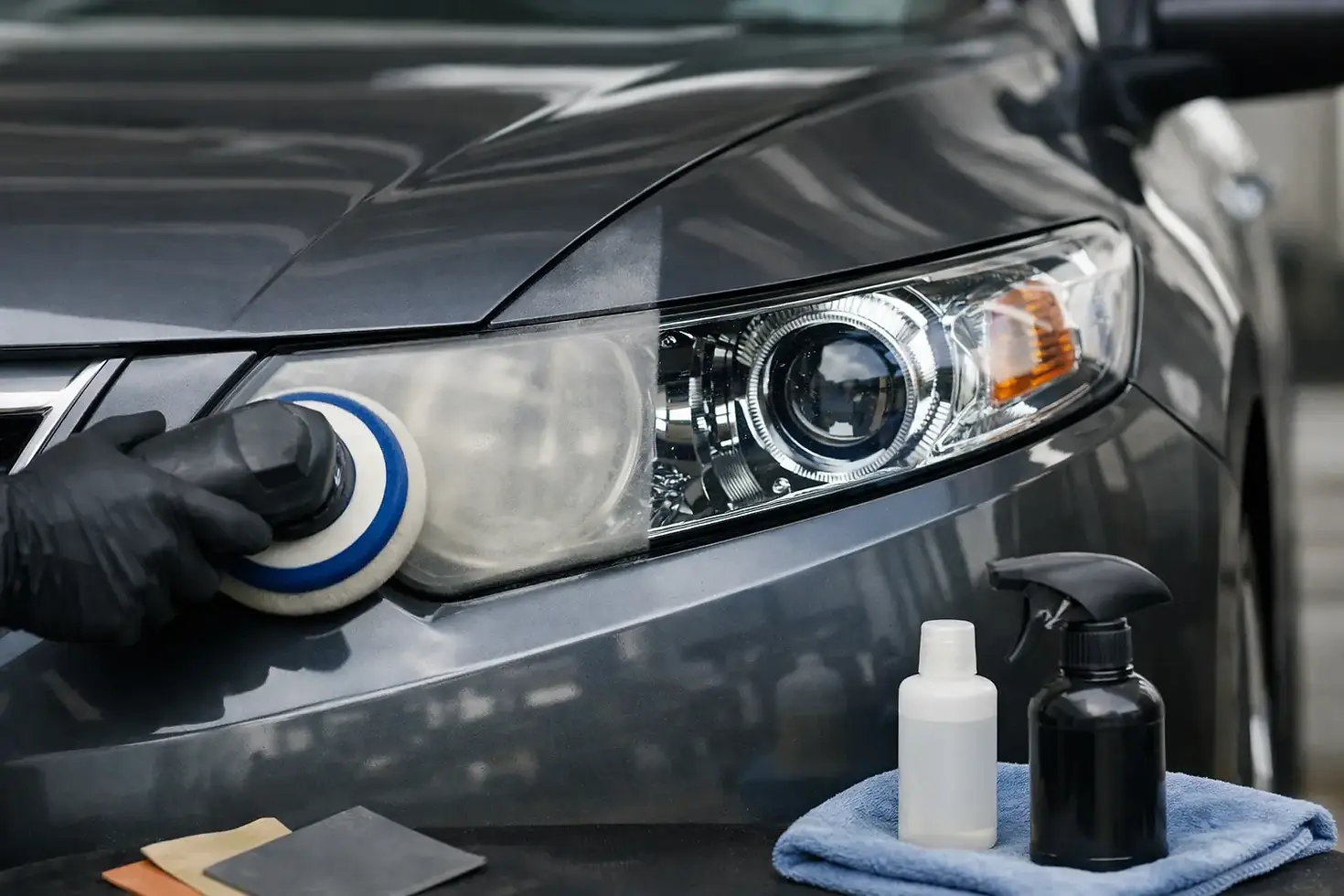
How to Restore Cloudy Headlights Right

Cloudy headlights can make a well-kept vehicle look tired fast, but the bigger issue is what happens after sunset. When the lens turns hazy, yellow, or chalky, your light output drops, visibility suffers, and the whole front end starts to look older than it is. If you are wondering how to restore cloudy headlights, the good news is that many headlights can be brought back with the right process. The catch is that not every quick fix lasts, and not every lens should be treated the same way.
Why headlights turn cloudy in the first place
Most modern headlights are made from polycarbonate plastic, not glass. That material is strong and lightweight, but it takes a beating from UV rays, road salt, rain, grit, automatic car washes, and everyday exposure. Over time, the factory protective coating wears down. Once that happens, the lens starts to oxidize.
That oxidation is what gives headlights that dull, cloudy, yellowed look. In some cases, the damage stays near the surface and can be corrected. In others, the lens is deeply pitted, cracked, or starting to fail from the inside. That is where results can vary, and it is also why one vehicle responds well to a DIY kit while another really needs professional attention.
How to restore cloudy headlights at home
If the lens is only moderately oxidized, a home restoration can improve both appearance and light output. The best results come from proper prep and patience, not shortcuts.
Start with a real cleaning
Before you polish or sand anything, wash the headlights thoroughly with car soap and water. Dry them fully so you can see the condition of the lens. If the surface still feels gritty, road film may be hiding more oxidation underneath.
Mask off the paint, trim, and edges around the headlight with painter's tape. This matters more than people think. Sandpaper and compound can mark surrounding panels quickly if you get careless.
Use the right restoration method
For light haze, some people get decent short-term results from a polishing compound alone. If the headlight is noticeably cloudy or yellow, polishing usually is not enough by itself. In most cases, wet sanding followed by compounding and polishing is what actually removes the damaged layer.
A typical process starts with lower grit sandpaper to cut oxidation, then moves to finer grits to refine the surface. The exact grit sequence depends on how bad the lens is. A lightly hazed lens may only need finer sanding. A heavily yellowed one may need a more aggressive first pass.
Keep the surface wet while sanding and work evenly. If one spot stays yellow while the rest clears up, that area may need more attention, but pushing too hard in one section can create uneven results. Once the lens looks uniformly dull instead of patchy, you can move to a compound to bring clarity back, then finish with a polish.
The step most people skip
This is where a lot of DIY jobs fail. Sanding and polishing remove oxidation, but they also remove what is left of the original UV protection. If you stop there, the headlights may look good for a few weeks or months, then haze over again.
To make the repair last, you need a proper UV protectant. That could be a clear coat made specifically for headlight lenses, a wipe-on sealant included in a restoration kit, or a professional-grade protective coating. Without that final protection, you are only hitting reset for a short time.
What not to use on cloudy headlights
A lot of drivers have seen home remedies online that promise fast results. Some will improve the look temporarily, but temporary is the key word.
Toothpaste is the classic example. It has mild abrasives, so it can cut a little haze, but it is not a true restoration method for seriously oxidized headlights. Bug spray, magic erasers, and household cleaners can also do more harm than good. Some may strip oxidation fast, but they can also damage the surface or leave it unprotected.
If your goal is to actually restore cloudy headlights instead of just making them look better for a weekend, stick with products and methods designed for automotive lenses.
When DIY works and when it does not
There is a big difference between a headlight that is dull on the outside and one that is failing more seriously. DIY can work well if the cloudiness is surface-level and the lens is structurally sound. It becomes less effective if you are dealing with heavy pitting, deep scratches, internal moisture, cracking, or damage on the inside of the housing.
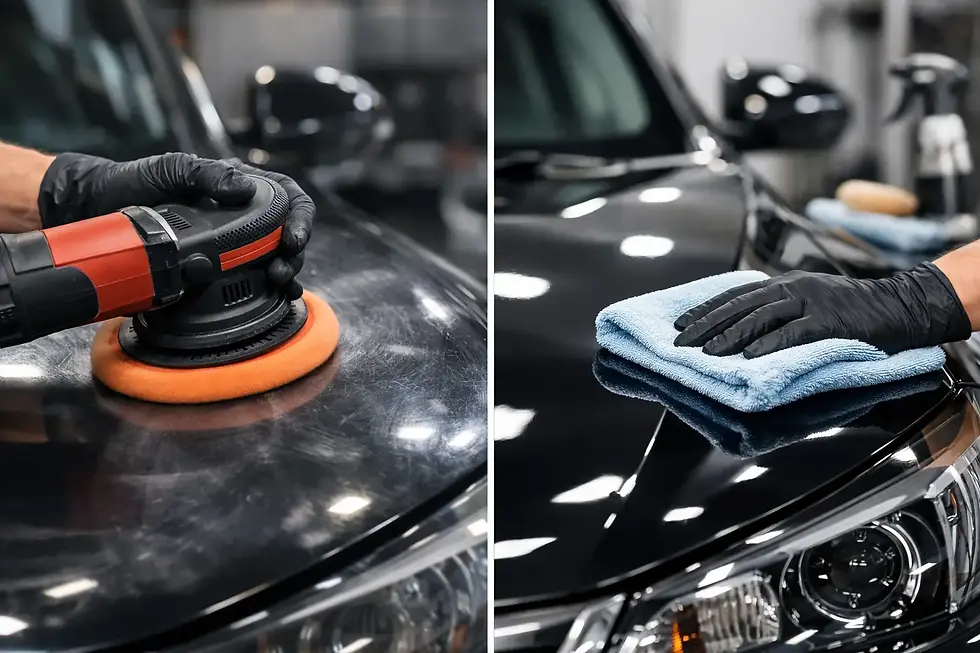
You should also be realistic about tools and time. Doing the job by hand is possible, but it takes effort to get even correction. Using a machine polisher can improve results, but only if you know how to control it. Too much heat or pressure can create fresh problems.
For many vehicle owners, the real question is not whether they can do it themselves. It is whether they want to spend part of their day guessing through grit levels, compounds, and coatings, then hope the finish lasts.
Why professional headlight restoration usually lasts longer
Professional restoration is not just about making the lens shiny again. The value comes from correcting the lens properly, finishing it evenly, and applying durable protection so it holds up in real-world driving.
That matters even more in places where vehicles see strong sun, winter road salt, temperature swings, and regular highway use. Headlights are constantly exposed. If the final protection is weak, the oxidation comes back.
A professional service can also judge whether the lens is restorable or if replacement makes more sense. That saves you from putting time and money into a lens that is too far gone. For customers who care about safe nighttime driving, resale value, and the overall appearance of the vehicle, that difference is worth paying attention to.
How long restored headlights should stay clear
This depends on the condition of the lens, the method used, and the level of UV protection applied afterward. A quick polish with no protective finish may only last a short time. A proper restoration with a quality sealant or coating can last much longer.
Parking conditions matter too. A vehicle parked outside every day in direct sun will usually see faster wear than one stored in a garage. Frequent tunnel washes and harsh weather also shorten the life of unprotected headlights.
That is why there is no honest one-size-fits-all answer. If someone promises permanent results from a five-minute fix, be skeptical. Good restoration takes prep, correction, and protection.
Signs your headlights need attention now
If your headlights look yellow in daylight, that is already a clue. But appearance is only part of it. Dimmer beam output, reduced visibility on dark roads, and a fuzzy or scattered beam pattern are all signs the lens is affecting performance.
You may also notice your vehicle looks older from the front even after a wash. That is because oxidized headlights drag down the whole appearance of the paint and trim around them. On a clean vehicle, cloudy headlights stand out immediately.
For drivers planning to sell or trade in their vehicle, headlight condition is one of those small details that creates a big first impression. Clear lenses make the vehicle look better maintained, and that matters.
How to keep headlights from getting cloudy again
Once your headlights are restored, maintenance makes a difference. Regular washing helps remove salt, road film, and grime that sit on the lens. Applying a protective product made for exterior plastics can help maintain the finish between major services.
It also helps to avoid the harshest automatic wash brushes when possible. They are hard on paint, and they are not doing your headlights any favors either. If your vehicle spends most of its life outdoors, periodic protection becomes even more important.
This is one of those areas where routine care saves money. Letting the lens go from light haze to severe oxidation usually means more correction later, and sometimes there is a point where replacement is the only option left.
Is it worth restoring headlights on an older vehicle?
Usually, yes. If the housings are intact and the oxidation is on the exterior, restoring them is often one of the most cost-effective appearance and safety improvements you can make. It can sharpen the look of the vehicle, improve nighttime driving, and help the front end match the rest of the detail work.
That is especially true if you are already investing in cleaning and protecting the vehicle. There is no sense bringing the paint, wheels, and interior back to life while leaving the headlights dull and chalky. It throws off the whole result.
At Jon Boyzzz Mobile Auto Detailing, we see that all the time. Customers want their vehicle to look cared for without giving up half their day to get it done. Headlight restoration fits that same mindset - practical, visible, and worth doing right.
If you are deciding how to restore cloudy headlights, the best choice is the one that gives you safe visibility and lasting results, not just a fast temporary shine. Clear headlights do more than clean up the front end. They make the whole vehicle feel properly looked after.

Comments