
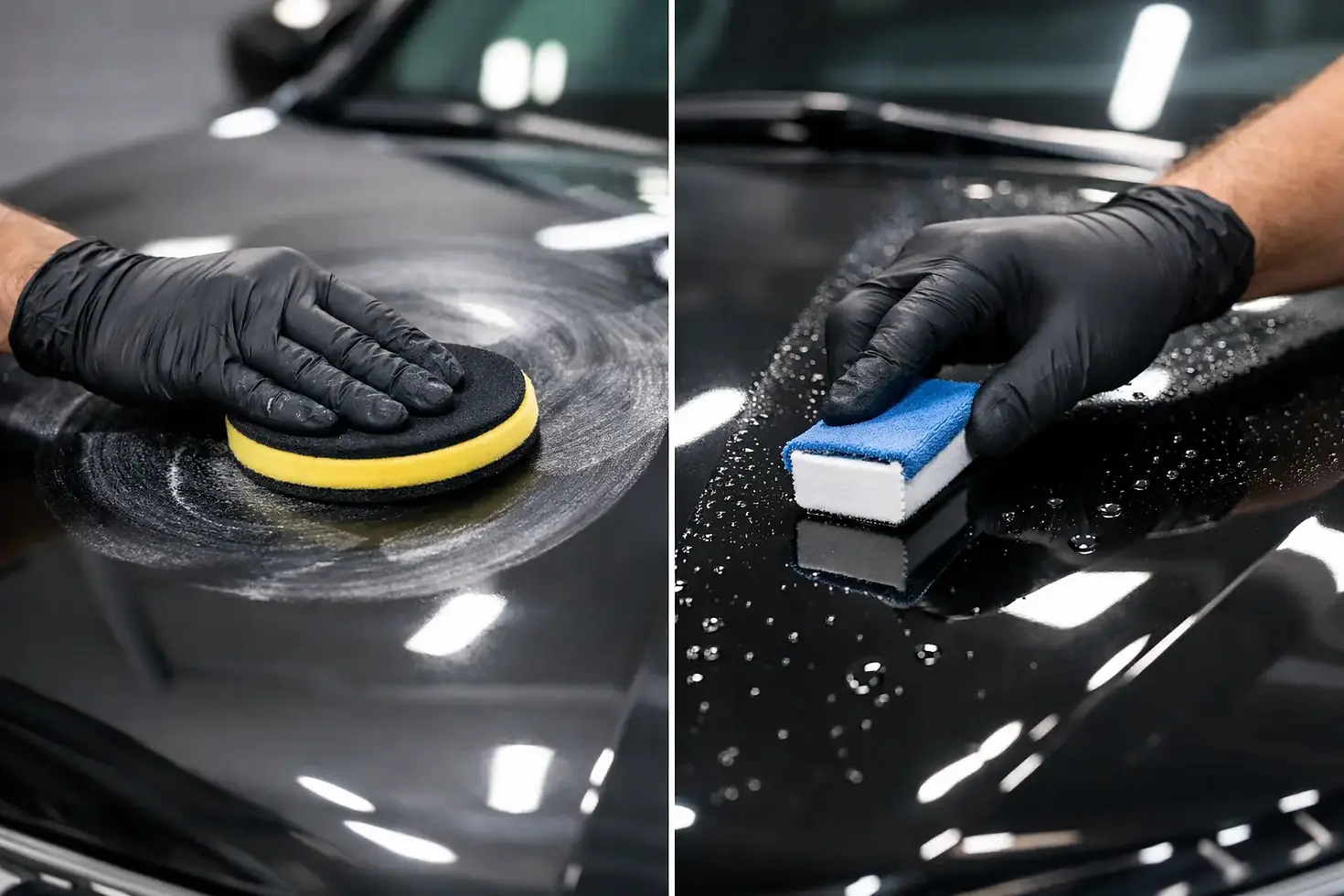
Paint Sealant vs Ceramic Coating

You wash the vehicle, the paint looks sharp for a day or two, and then the shine starts fading under road grime, rain, sun, and everyday driving. That is usually when the question comes up: paint sealant vs ceramic coating. Both are meant to protect your paint and make maintenance easier, but they are not the same product, and they are not the right fit for the same owner.
If you care about keeping your vehicle looking clean, holding value, and avoiding that worn-down look that creeps in fast, the choice matters. The right protection depends on how long you plan to keep the vehicle, how much maintenance you want to do, and what kind of result you expect every time you walk up to it.
Paint sealant vs ceramic coating: what is the difference?
A paint sealant is a synthetic protective layer applied over clean paint. It is designed to add gloss, improve water beading, and create a barrier against everyday contamination like dirt, road film, UV exposure, and light chemical exposure. It is a solid option for drivers who want better protection than wax, but without the cost or commitment of a full ceramic coating.
A ceramic coating is a more advanced form of paint protection. It bonds more firmly to the surface and is built for longer-term durability. A proper coating can deliver stronger chemical resistance, better longevity, and easier ongoing cleaning. It also gives the paint a slick, deep-finished look that many owners notice right away.
The short version is simple. Paint sealant is shorter-term protection with a lower upfront cost. Ceramic coating is longer-term protection with a higher upfront cost and more prep required.
How each one performs in real-world driving
For most vehicle owners, this is less about chemistry and more about what happens after a week of commuting, parking outside, dealing with bird droppings, or driving through bad weather.
Paint sealant does a good job of helping water bead and making the paint easier to wash. It can improve gloss and give the vehicle that freshly detailed appearance. For a daily driver, especially one that gets regular maintenance, sealant can be a smart and practical layer of defense.
Ceramic coating takes that a step further. Dirt usually has a harder time sticking. Washing tends to be faster. The finish stays glossier for longer, and the surface is better equipped to handle repeated exposure to the elements. That does not mean the vehicle stays clean forever, and it definitely does not mean it becomes scratch-proof. It simply means the paint is better protected and easier to maintain over time.
That distinction matters because some owners hear "ceramic" and expect a permanent shield. No product stops rock chips, and no coating makes the vehicle maintenance-free. Good protection lowers wear and makes upkeep easier. It does not replace proper care.
Durability is where the gap gets wider
If you are comparing paint sealant vs ceramic coating based on lifespan alone, ceramic coating usually wins by a wide margin.
A paint sealant may last several months, depending on the product, weather exposure, wash habits, and whether the vehicle is parked inside or outside. If the car is driven daily through road salt, rain, and strong sun, that lifespan can drop. Sealant works best when it is part of a regular maintenance routine.
A ceramic coating is built for much longer protection. With proper prep, proper application, and the right aftercare, it can last years rather than months. That longer lifespan is one reason many owners see it as a better value over time, especially on newer vehicles or vehicles they want to keep in top shape.
Still, not every vehicle needs the longest-lasting option. If you lease, trade in often, or just want seasonal protection without a large upfront investment, sealant can make more sense.
Cost matters, but so does value
Paint sealant usually costs less because the material is less expensive and the process is less involved. In many cases, it can be paired with a wash, clay treatment, and paint prep as part of a practical protection package. For owners who want noticeable improvement without stepping into premium coating pricing, that is often the sweet spot.
Ceramic coating costs more for good reason. The prep is more demanding, the application is more precise, and the product itself is designed to last much longer. If the paint needs correction before coating, the service becomes even more labor-intensive. That prep work is not an add-on just for appearances. It matters because once a coating is applied, it tends to lock in the condition of the paint underneath.
That means the cheapest ceramic coating quote is not always the best value. If the prep is rushed, the result will show. Protection products only perform as well as the surface they are applied to.
Which one gives better shine?
Both can make a vehicle look better, but they do it a little differently.
Paint sealant usually adds a clean, glossy finish that brightens the paint and helps it feel smooth to the touch. On well-kept vehicles, that can be more than enough. Many owners are happy with the look, especially when the vehicle is maintained regularly.
Ceramic coating tends to create a more pronounced gloss and slickness, especially after proper paint prep. Dark colors often show this the most. The finish can look sharper, deeper, and more refined. If appearance is a major priority and you want that freshly detailed look to hold longer between washes, ceramic coating usually has the edge.
The catch is that neither product hides major defects. Swirl marks, oxidation, and dull paint need to be addressed first if you want the final result to look its best.
The right choice depends on your vehicle and habits
A lot of owners want a single answer, but this decision really comes down to use case.
If your vehicle is a daily commuter, family hauler, or work vehicle that just needs dependable protection and easier cleanup, paint sealant may be the practical choice. It improves appearance, helps with maintenance, and costs less upfront. For many people, that is exactly what they need.
If you bought a newer vehicle, care about long-term appearance, want stronger protection, or are tired of reapplying short-term products, ceramic coating is often the better investment. It is especially appealing for owners who want their vehicle to stay cleaner longer and keep that polished finish with less effort between details.
This is also where professional advice helps. A vehicle with neglected paint may need correction before either option makes sense. A well-kept newer vehicle may be an excellent candidate for coating right away. The best answer is based on the actual condition of the paint, not just the label on the bottle.
What professional application changes
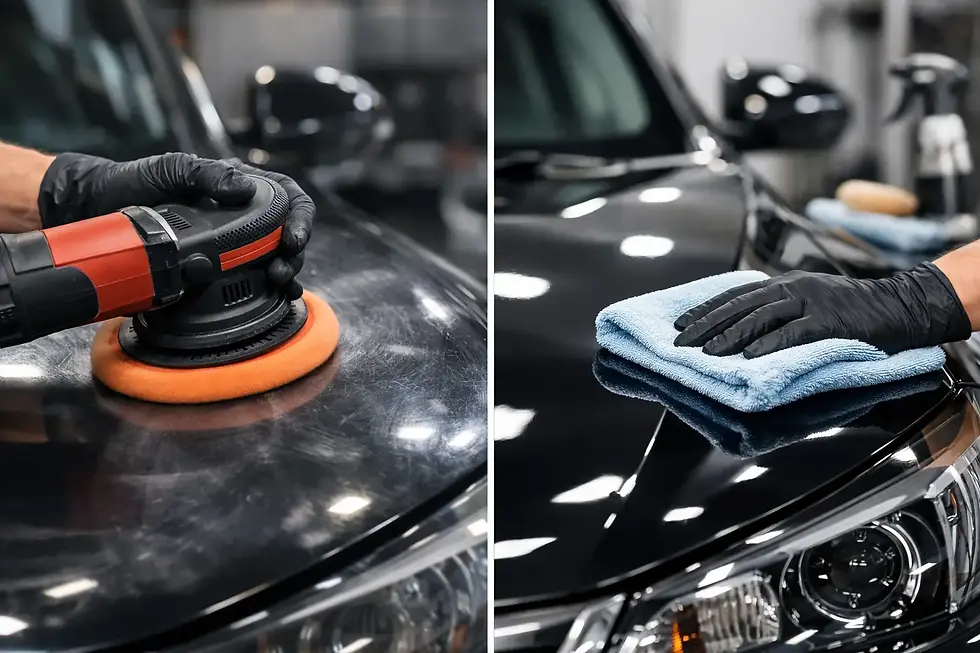
Application matters more than most people realize. Even a quality product can underperform if the paint is not properly washed, decontaminated, and prepped first.
With sealant, poor prep can shorten durability and leave the finish looking less uniform. With ceramic coating, poor prep can create bigger problems because the coating is meant to stay in place for a long time. High spots, uneven finish, or trapped imperfections are not things most owners want baked into the final result.
That is one reason many drivers choose professional service, especially for coating. A trained detailer knows how to inspect the paint, remove contamination, correct defects where needed, and apply protection evenly. For busy owners, mobile service adds another layer of value because the work gets done where the vehicle already is. Jon Boyzzz Mobile Auto Detailing is built around exactly that kind of convenience without cutting corners on workmanship.
So which one should you choose?
Choose paint sealant if you want a lower-cost way to protect the paint, boost gloss, and make routine washing easier for the next several months. It is practical, effective, and a smart option for many daily drivers.
Choose ceramic coating if you want longer-lasting protection, stronger resistance to the elements, easier maintenance, and a more premium finish that holds up better over time. It costs more upfront, but for the right vehicle and owner, it often pays back in appearance, convenience, and long-term value.
The best protection is the one that fits how you actually use your vehicle. If you are unsure, start with the condition of the paint, your budget, and how long you want the result to last. A good detailer will give you the straight answer, not just the more expensive one. And when your vehicle is a major investment, that kind of honest guidance is worth just as much as the shine.

Comments