
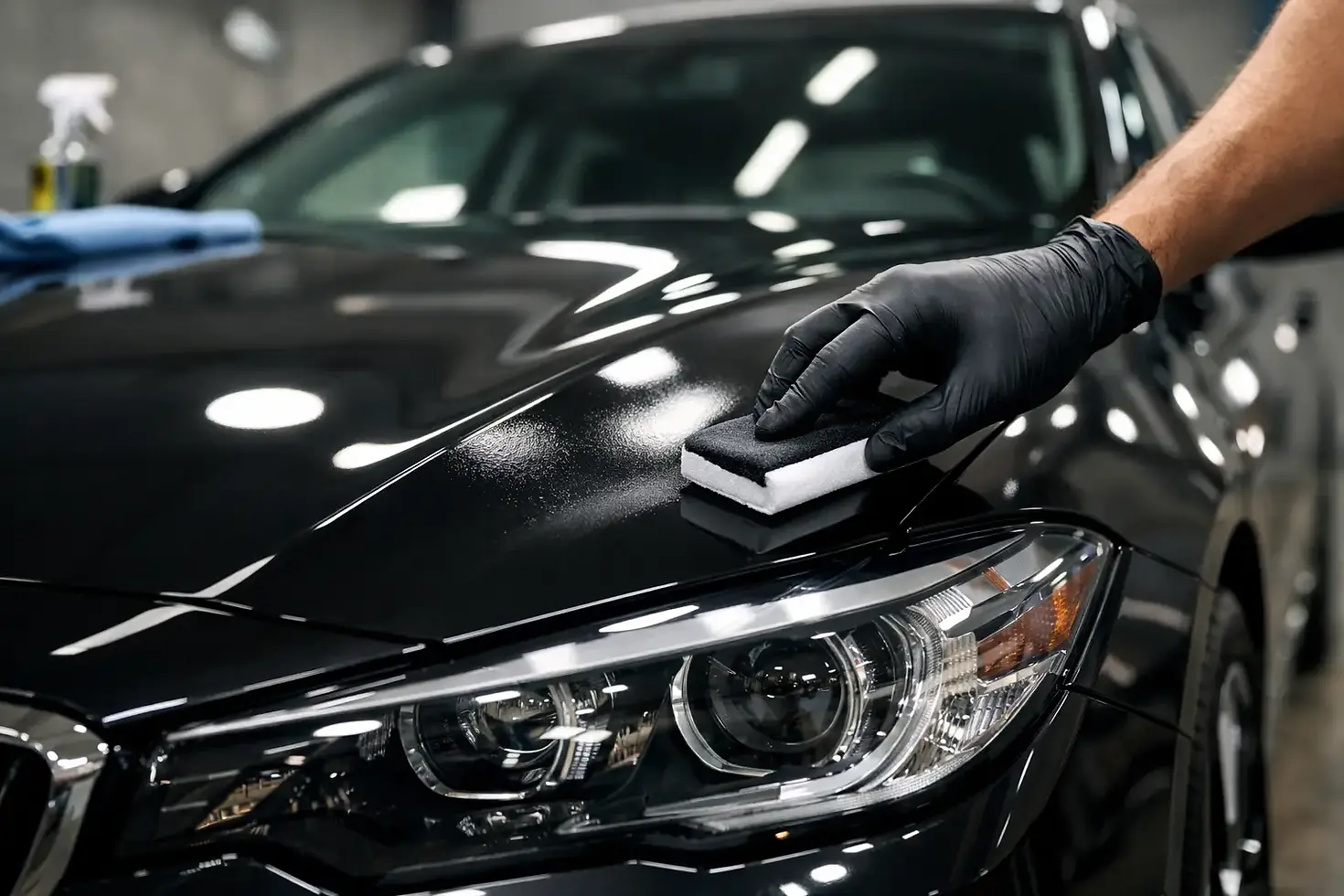
What Does Ceramic Coating Do for Your Car?

If you have ever washed your vehicle on a Saturday, only to see water spots, road film, and grime back on it a few days later, you have probably asked yourself: what does ceramic coating do, and is it actually worth paying for? That is a fair question, especially if you care about keeping your vehicle looking sharp without spending every weekend scrubbing it by hand.
Ceramic coating is designed to protect your paint, improve gloss, and make regular maintenance easier. It creates a durable protective layer over the vehicle’s exterior that resists water, dirt, road grime, bird droppings, tree sap, and other common contaminants better than traditional wax. It does not make your vehicle bulletproof, and it does not replace proper washing, but it can make a real difference in how your paint looks and how well it holds up over time.
What does ceramic coating do on a daily-driver vehicle?
For most drivers, ceramic coating is less about perfection and more about protection that works in real life. If your vehicle sits outside at work, deals with highway driving, gets hit with bug splatter, or sees winter grime and summer sun, the coating acts like a sacrificial barrier between the environment and your clear coat.
One of the biggest things people notice is water behavior. Instead of sitting flat on the paint, water tends to bead and sheet off more easily. That matters because standing water often leaves behind minerals and grime. When less water stays on the surface, cleanup is usually faster and the vehicle stays cleaner longer.
Ceramic coating also helps reduce how tightly contaminants bond to the paint. Brake dust, road film, pollen, and light mud still land on the vehicle, but they are generally easier to wash away. That means less aggressive scrubbing, and less aggressive scrubbing means less chance of adding swirl marks over time.
Then there is the appearance side. A properly applied coating tends to deepen gloss and give paint a cleaner, richer look. Dark vehicles usually show this the most, but lighter colors can benefit too. The finish often looks sharper because the surface is smoother and more reflective.
What ceramic coating does not do
This is where a lot of confusion starts. Ceramic coating has strong benefits, but it gets oversold all the time.
It does not make your paint scratch-proof. If you drag a dirty snow brush across the hood, run through an automatic brush wash, or rub dirt into the paint with a dry towel, you can still create scratches and swirls. A coating may add some resistance to minor marring, but it is not armor plating.
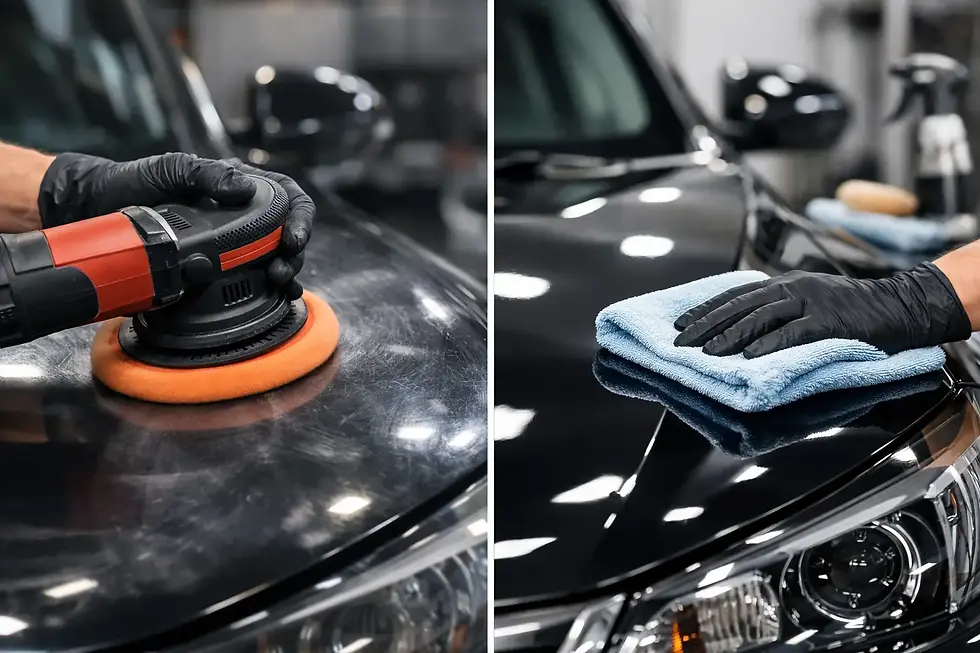
It also does not fix bad paint. If your vehicle already has oxidation, water spot etching, swirl marks, or faded clear coat, ceramic coating will not erase those issues. In many cases, paint correction should be done first so the coating locks in a clean, polished finish rather than sealing defects underneath.
It does not mean you never have to wash your car again, either. Dirt still builds up. Salt still collects. Bugs still hit the front end. The difference is that maintenance becomes easier and safer when the surface is properly protected.
Why ceramic coating lasts longer than wax
Wax gives you a nice shine and some short-term protection, but it wears down pretty quickly. Heat, rain, repeated washing, and road exposure break it down fast. That is why a waxed vehicle can look great one week and lose that slick feel not long after.
Ceramic coating is built differently. It bonds to the surface in a more durable way, which is why it generally outlasts waxes and many basic sealants. That longer lifespan is a big part of the value. Instead of constantly reapplying short-term protection, you are investing in something meant to stay working for months or even years, depending on the product and the prep work behind it.
That said, not all ceramic protection is the same. A spray-on ceramic sealant and a professional-grade long-term coating are not equal products. Both have their place. If you want a boost in gloss and easier maintenance, a ceramic sealant may be enough. If you want stronger, longer-lasting protection, a true coating is usually the better fit.
What does ceramic coating do for resale value?
It helps your vehicle age better visually, and that matters when it is time to sell or trade in.
Buyers notice paint condition fast. A vehicle with better gloss, less embedded contamination, and fewer signs of neglect usually makes a stronger first impression. Even if ceramic coating does not directly add a fixed dollar amount to resale, it can help preserve the finish that supports value.
This matters even more for people who plan to keep a vehicle several years. The longer you own it, the more chances there are for UV exposure, road fallout, bird droppings, and poor wash habits to wear the exterior down. A coated vehicle still needs care, but it starts with a better line of defense.
The prep work matters as much as the coating
This is one of the biggest reasons results can vary so much from one vehicle to the next. Ceramic coating is only as good as the surface underneath it.
If paint is not properly washed, decontaminated, and corrected when needed, the coating goes on top of whatever is there. That can mean bonded contamination, light scratches, haze, or leftover residue. A professional process usually includes a deep wash, clay treatment or chemical decontamination, and paint correction if the finish needs it.
That prep is not extra fluff. It is what gives the coating a clean surface to bond to and helps the final result actually look premium. When the vehicle is prepped right, the coating performs better and looks better.
Is ceramic coating worth it for every vehicle?
Not always. It depends on the age of the vehicle, its current condition, where it is parked, and how you use it.
If you drive a newer vehicle, care about appearance, and want to protect your investment, ceramic coating usually makes a lot of sense. The same goes for anyone who wants easier washes and better long-term paint care. For busy professionals, families with multiple vehicles, or commuters who do not have time to constantly maintain their exterior, the convenience factor is real.
If your paint is already heavily damaged and you are not planning to correct it, a coating may not be the first place to spend money. You might be better off starting with restoration work and then protecting the finish after that. If you rarely care how the vehicle looks and just want the cheapest short-term option, wax or a basic sealant may be enough.
What does ceramic coating do in winter and harsh weather?
It helps, but it is not a free pass.
In winter conditions, ceramic coating can make it harder for salt, slush, and grime to cling as stubbornly to the paint. That can make washes quicker and help reduce buildup. It also helps when the weather is constantly changing and your vehicle is getting hit with moisture, road spray, and temperature swings.
Still, winter driving is hard on any vehicle. You still need regular washing, especially in areas where salt is used heavily. Ceramic coating supports maintenance - it does not replace it.
The same idea applies in summer. UV exposure, bug splatter, bird droppings, and tree sap can all damage paint if they sit too long. A coating gives you more protection and more cleanup flexibility, but it is still smart to remove harsh contaminants quickly.
How to know if ceramic coating is right for you
A good question is not just what does ceramic coating do, but what do you need it to do for your vehicle.
If you want a car that stays glossier, washes easier, and has better protection against everyday exposure, ceramic coating is a strong option. If you expect it to stop rock chips, eliminate scratches, or permanently keep your vehicle spotless, your expectations need adjusting.
The best results come when the service matches the vehicle and the owner. Some drivers need a short-term ceramic sealant as part of regular detailing. Others are better candidates for a long-term coating after proper prep and correction. The right answer depends on your paint condition, your budget, and how serious you are about maintaining the vehicle after the service is done.
At Jon Boyzzz Mobile Auto Detailing, that is how we look at it. Not every vehicle needs the same level of protection, but every vehicle deserves honest recommendations and careful work.
Ceramic coating is not magic. It is a practical way to protect one of your biggest investments, keep it looking cleaner between washes, and make maintenance less of a chore - and for a lot of vehicle owners, that is more than enough reason to do it.

Comments